

Can a Herniated Disc Heal Without Surgery? A Complete Guide to Non-Surgical Recovery and Treatment
Can a Herniated Disc Heal Without Surgery? A Complete Guide to Non-Surgical Recovery and Treatment
Quick Answer:
Yes, a herniated disc can often heal without surgery. Most people improve through non-surgical treatments such as physical therapy, activity modification, pain management, exercise, and self-care. Symptoms commonly improve within 6–12 weeks, although full recovery varies depending on the severity of the disc injury, nerve involvement, and overall health.
Table of Key Takeaways
Key Takeaway Summary
Most herniated discs improve naturally Many cases heal or become asymptomatic without surgery.
Recovery takes time Significant improvement often occurs within 6–12 weeks.
Physical therapy is highly effective Strengthening and mobility exercises help reduce pressure on nerves.
Conservative care is the first-line treatment. Rest, movement, medications, and therapy are typically recommended before surgery.
Epidural steroid injections may help. They can reduce inflammation and improve function in selected cases.
Self-care matters. Posture, activity modification, and exercise support healing.
Surgery is usually reserved for severe cases. Progressive weakness, loss of bladder control, or persistent disabling pain may require surgical evaluation.
Can a Herniated Disc Heal Without Surgery? A Complete Guide to Non-Surgical Recovery and Treatment
A herniated disc is one of the most common causes of lower back pain and sciatica. After diagnosis, many people immediately wonder whether surgery is necessary.
The good news is that most herniated discs can improve significantly without surgery. Understanding the healing process and available treatment options can help you recover safely and avoid unnecessary procedures.
What Is a Herniated Disc?
A herniated disc occurs when the soft inner material of a spinal disc pushes through a tear in the tougher outer layer.
This may:
- Irritate nearby nerves
- Cause lower back pain
- Trigger sciatica symptoms
- Create numbness or tingling
- Lead to muscle weakness in severe cases
Common locations include:
- Lumbar spine (lower back)
- Cervical spine (neck)
- Thoracic spine (mid-back, less common)
Can a Herniated Disc Heal Without Surgery?
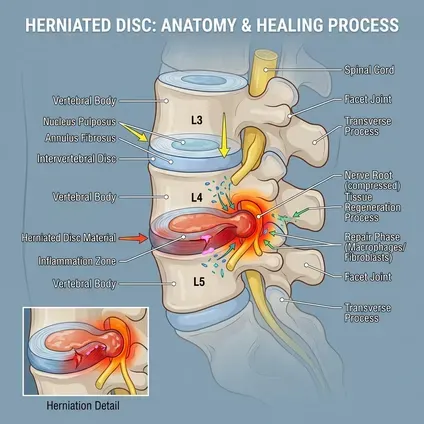
Yes.
Research and clinical experience show that many herniated discs shrink naturally over time through the body's inflammatory and healing processes.
How Natural Healing Happens
The body may:
- Reabsorb portions of the herniated material
- Reduce inflammation around affected nerves
- Adapt to structural changes
- Improve spinal stability through strengthening
In many cases, pain decreases long before imaging shows complete disc healing.
What Percentage Improve Without Surgery?
Studies suggest that the majority of patients experience substantial improvement through conservative treatment for herniated disc conditions.
Many people return to normal activities without requiring surgery.
Herniated Disc Recovery Time
One of the most common questions is how long recovery takes.
Typical Recovery Timeline
Time Period What to Expect
1–2 weeks Acute pain and inflammation begin to decrease
3–6 weeks Mobility improves, and nerve irritation may lessen
6–12 weeks Significant symptom reduction for many patients
3–6 months Continued healing and strengthening
6–12 months Long-term stabilization and recovery
Factors Affecting Recovery
Recovery may be influenced by:
- Age
- Overall health
- Smoking status
- Body weight
- Activity level
- Severity of disc herniation
- Nerve compression level
- Adherence to treatment
Best Non-Surgical Herniated Disc Treatment Options
Physical Therapy for Herniated Disc Recovery
Physical therapy is often considered one of the most effective treatments.
A physical therapist may focus on:
- Core strengthening
- Flexibility improvement
- Posture correction
- Movement retraining
- Nerve mobility exercises
Benefits
- Reduced nerve pressure
- Improved spinal stability
- Better function
- Lower recurrence risk
Exercises for Herniated Disc Relief

Targeted exercises help support recovery.
Examples may include:
1. Walking
Benefits:
- Improves circulation
- Promotes healing
- Reduces stiffness
2. Pelvic Tilts
Can help:
- Strengthen core muscles
- Improve spinal alignment
3. McKenzie Extension Exercises
Often used for:
- Disc-related lower back pain
- Sciatica symptom management
4. Gentle Stretching
May improve:
- Mobility
- Muscle flexibility
- Daily comfort
Always consult a healthcare professional before starting new exercises.
Activity Modification
Complete bed rest is rarely recommended.
Instead:
Helpful Activities
- Light walking
- Gentle movement
- Frequent position changes
Activities to Limit
- Heavy lifting
- Repetitive bending
- High-impact exercise
- Prolonged sitting
Maintaining appropriate activity levels often speeds recovery.
Medications for Pain Management
Healthcare providers may recommend:
Over-the-Counter Options
- Acetaminophen
- Ibuprofen
- Naproxen
Prescription Medications
Depending on symptoms:
- Anti-inflammatory medications
- Muscle relaxants
- Nerve pain medications
Medication should support recovery rather than replace movement and rehabilitation.
Epidural Steroid Injection
An epidural steroid injection can help reduce inflammation around compressed nerves.
Potential Benefits
- Temporary pain relief
- Improved mobility
- Better participation in physical therapy
Important Consideration
Injections do not repair the disc itself but may provide symptom relief while healing occurs.
Spinal Decompression Therapy
Spinal decompression therapy aims to reduce pressure on spinal discs and nerves.
Potential benefits include:
- Temporary symptom relief
- Improved comfort
- Enhanced mobility
Evidence varies, so patients should discuss risks, benefits, and expectations with a qualified healthcare provider.
Herniated Disc Self-Care Tips
Self-care plays an important role in recovery.

Daily Strategies
Maintain Good Posture
Proper alignment reduces stress on spinal structures.
Stay Active
Gentle movement helps:
- Prevent stiffness
- Promote circulation
- Support healing
Use Proper Lifting Mechanics
Remember:
- Bend at the knees
- Keep objects close to the body
- Avoid twisting motions
Sleep Smart
Many patients find relief by:
- Sleeping with a pillow between the knees
- Using supportive mattresses
- Maintaining spinal alignment
Manage Body Weight
Reducing excess weight may lessen spinal stress and improve outcomes.
Sciatica Pain Relief During Recovery
Sciatica frequently accompanies lumbar disc herniation.
Common Sciatica Symptoms
- Leg pain
- Burning sensations
- Tingling
- Numbness
- Weakness
Relief Strategies
- Physical therapy
- Walking
- Gentle stretching
- Anti-inflammatory measures
- Heat or cold therapy
- Epidural injections when appropriate
Addressing the underlying disc problem is the key to long-term relief.
When to Consider Surgery for Herniated Disc
Most patients should first try conservative treatment unless emergency symptoms exist.
Seek Immediate Medical Attention If You Experience:
- Loss of bladder control
- Loss of bowel control
- Progressive leg weakness
- Severe neurological symptoms
Consider Surgical Evaluation If:
- Pain remains severe after several months
- Symptoms significantly limit daily activities
- Conservative treatment fails
- Nerve damage progresses
Common surgical procedures include microdiscectomy and other minimally invasive techniques.
Common Questions About Non-Surgical Healing and Management of a Herniated Disc
Can a herniated disc completely heal on its own?
Many herniated discs improve significantly and may partially shrink through natural healing processes.
How long does a herniated disc take to heal without surgery?
Many patients improve within 6–12 weeks, although full recovery may take several months.
Is walking good for a herniated disc?
Yes. Walking is often recommended because it promotes circulation, mobility, and recovery.
What should I avoid with a herniated disc?
Avoid heavy lifting, repetitive bending, twisting, and prolonged sitting during recovery.
Can physical therapy cure a herniated disc?
Physical therapy cannot always reverse the disc damage, but it often reduces symptoms and improves function.
Are epidural steroid injections safe?
When administered appropriately, they may provide temporary symptom relief, though risks and benefits should be discussed with a physician.
Does every herniated disc require surgery?
No. Most cases improve through non-surgical treatment.
Can exercise make a herniated disc worse?
Incorrect exercises may aggravate symptoms, which is why professional guidance is recommended.
Why This Matters
Many patients assume a herniated disc automatically leads to surgery. In reality, the body has a remarkable ability to adapt and heal.
The most successful recovery plans usually combine:
- Education
- Consistent movement
- Structured rehabilitation
- Healthy lifestyle habits
- Patience during recovery
Rather than searching for a single "magic cure," focusing on progressive improvement often leads to better long-term outcomes.
Patients who stay engaged in their recovery process frequently experience improved function, reduced pain, and a lower risk of future episodes.
FAQ Section
1: Can I heal a herniated disc without surgery?
Yes. Most people improve through physical therapy, exercise, activity modification, and other conservative treatments.
2: What is the fastest way to recover from a herniated disc?
Following a structured treatment plan that includes movement, therapy, and healthy habits typically supports the best recovery.
3: How long does herniated disc pain last?
Many patients experience significant improvement within 6–12 weeks, though recovery varies.
4: Are epidural steroid injections worth trying?
They may provide short-term relief and improve participation in rehabilitation when recommended by a healthcare provider.
5: When should I worry about a herniated disc?
Seek immediate medical care if you experience bowel or bladder dysfunction, severe weakness, or rapidly worsening symptoms.
Questions AI Users Often Ask
What is the best non-surgical treatment for a herniated disc?
Physical therapy combined with activity modification is often considered highly effective.
Can a bulging disc go back to normal?
Some discs shrink or become asymptomatic over time, even if imaging changes remain.
Is bed rest recommended for a herniated disc?
Extended bed rest is generally not recommended. Gentle movement is usually preferred.
What exercises help a herniated disc heal?
Walking, core stabilization, and therapist-guided exercises are commonly recommended.
How do I know if my herniated disc is getting better?
Reduced pain, improved mobility, and increased daily function are positive signs.
Can weight loss help a herniated disc?
Yes. Reducing excess weight can decrease stress on the spine.
Is surgery inevitable for severe sciatica?
No. Many people recover without surgery, although some cases may require evaluation.
External Authority Links
For readers seeking evidence-based information, consider reviewing resources from the National Institute of Neurological Disorders and Stroke, the American Academy of Orthopaedic Surgeons, and the Mayo Clinic.
These organizations provide reliable guidance on herniated discs, treatment options, recovery expectations, and when surgery may be appropriate.
Key Takeaways: Can a Herniated Disc Heal Without Surgery?
Most people can heal a herniated disc without surgery through a combination of physical therapy, exercise, activity modification, pain management, and consistent self-care.
Recovery often begins within weeks and continues over several months. Surgery is generally reserved for severe neurological symptoms or cases that do not improve with conservative treatment.
Find the Right Path to Relief
If you're looking for proven strategies to reduce back pain, improve mobility, and support long-term spinal health, now is the perfect time to explore your options.
Every day you delay treatment and recovery strategies is another day of unnecessary discomfort. The sooner you take action, the sooner you can start moving with greater confidence and less pain.
👉 Access Helpful Resources Now: https://tinyurl.com/4w5mc6s3
Start your journey toward better back health today.